The Weekly Signal · No. 10 · November 7, 2026
Abundantly
by Marilène Hodge
Good morning, Abundant
The clocks changed last weekend, and by midweek the hour had settled differently in different homes. For some, the same alarm suddenly felt as though it belonged to someone else’s schedule; the body woke early, or the evening went dark before the day felt finished. For others, the change arrived as a small mercy.
I noticed it on the carpool this week: daylight on the drive, a little more rest before it. That welcome daylight leads naturally to our first signal: the role morning light plays in setting the body’s clock.
This week’s signal starts there. We will treat light as information, notice which midlife interruptions are actually shaping the night, and ask, with patience, whether a sunrise alarm would ease a real friction, now or in the darker mornings still ahead, or simply become a lovely new ritual on the nightstand.
Signal one: morning light is the anchor
The National Institute of General Medical Sciences explains that light and dark are the strongest environmental influences on circadian rhythms. The American Academy of Sleep Medicine likewise argues that standard time aligns more closely with the body’s internal clock than daylight saving time.
What that means in practice is steadier than it sounds: keep the wake time reasonably consistent, greet the morning with outdoor light or the brightest natural light available, and let the evening grow visibly quieter. Think of it as a cue the body can recognize, not another performance to perfect.
The light map
Morning
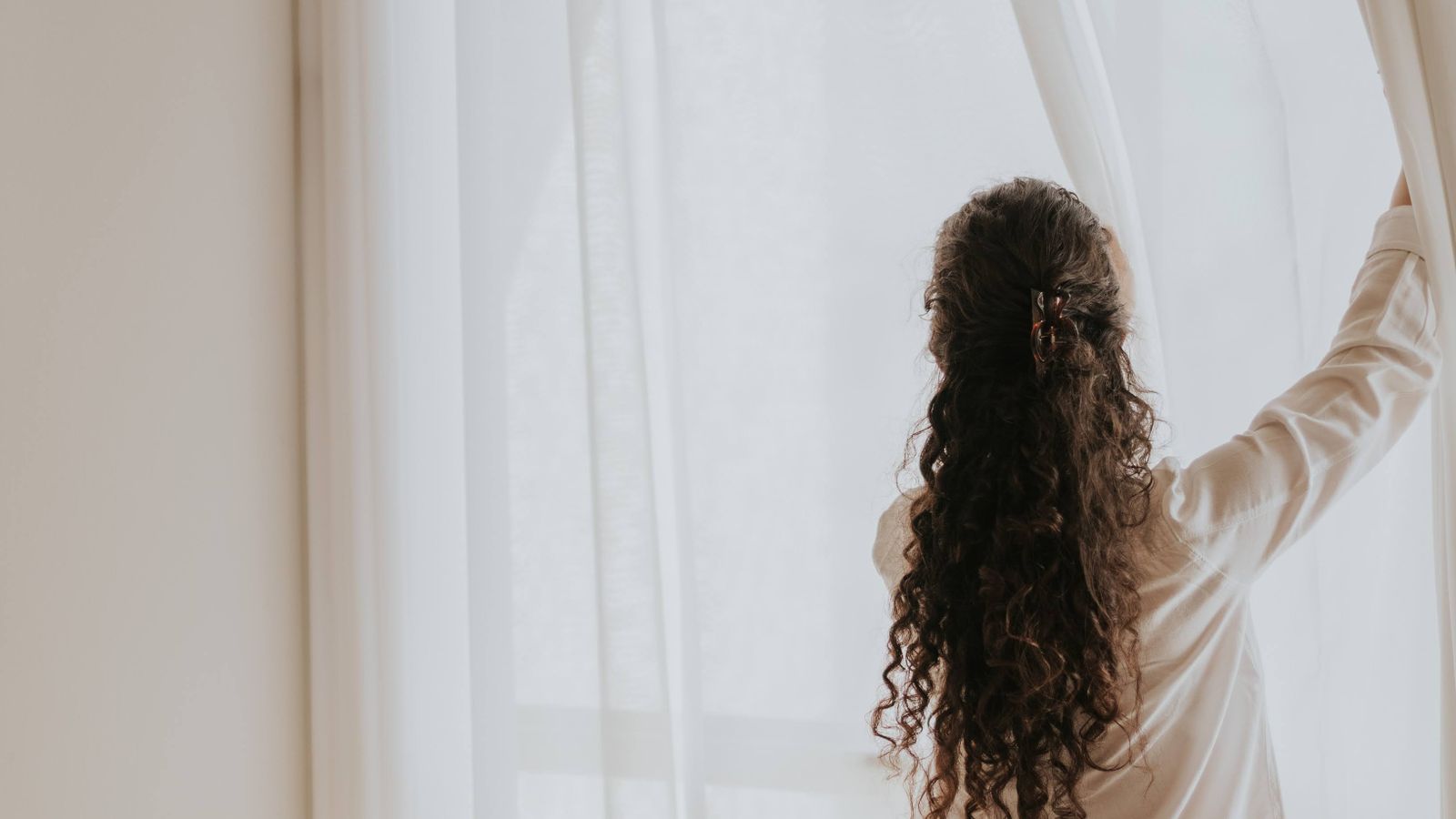
Draw the curtains open and, when you can, step outdoors for a few minutes. Keep your gaze away from the sun itself.
Day
Hold meals, movement and wake time in a recognizably steady pattern while the week settles.
Evening
Ease bright overhead light and let the last hour of the evening find a quieter visual rhythm.
For a fuller seasonal explanation, you can read Why Your Sleep Starts Changing When the Light Does.
The November Light Change: your seven-day check-in
The clocks changed on November 1 in much of the U.S. If sleep still feels unsettled, a seven-day check-in can help: record your usual routine for three days, then choose one manageable adjustment for the next four. Use the wearable you already own or a simple notebook. The November Light Change also looks at what vitamin D testing can tell you, and how to decide whether magnesium belongs in your sleep routine.
Signal two: midlife sleep needs a wider lens
The clock change may be one disruption, not the whole story. The Menopause Society notes that hot flashes and night sweats are common during the menopause transition and can disturb sleep. It also cautions that night sweats can have causes other than menopause.
The distinction is worth holding gently. A cooler room or lighter bedding may ease a single night, yet comfort alone rarely explains symptoms that keep returning. New, severe or continuing sleep disruption deserves a clinician’s attention, especially when it arrives with breathing problems, marked mood changes, medication changes or unexplained night sweats.
A seven-day note
- Wake time and approximate bedtime
- How rested you feel, from one to five
- Whether heat, worry, pain, noise or breathing woke you
- One evening variable: alcohol, a late meal, exercise, medication or screen use
You are looking for patterns more than perfection. A notebook is enough; a wearable remains optional.
For a broader midlife tracking framework, see After Your Last Period: What Still Changes and What Is Worth Tracking. For routines around meals, energy and sleep, revisit Cortisol-Friendly Eating and Daily Rhythms.
Signal three: a sunrise alarm has to earn the nightstand
This week, the sunrise may be doing the alarm’s work as a complimentary service. The question is what happens when sunrise drifts later again in December and into early January. Where natural daylight already meets your waking hour, a wake-up light may add little right now; its case grows clearer for early schedules as winter mornings darken again, which varies by latitude and local clock habits.
The Philips SmartSleep Wake-up Light HF3520/60 gradually brightens before the alarm. Philips lists an adjustable 20-to-40-minute colored sunrise, 20 brightness settings, five wake sounds, FM radio and a sunset simulation. The Amazon ASIN linked below matches that model.
Those features are verified. They remain product specifications, not a guarantee of better sleep, a menopause treatment or a substitute for outdoor daytime light. The stronger independent case rests on the broader evidence that light timing helps set the body clock; claims about this exact device come largely from the manufacturer.
The E·E·E decision
Evidence
Light is a genuine circadian cue. How much this exact consumer device helps is less certain and will vary from person to person.
Experience
The light needs no app or subscription. It does take a place on the nightstand, and its controls become part of the morning and evening rhythm.
Economics
Begin with the no-purchase version: a steady wake time, open curtains and morning outdoor light. Consider buying only when dark mornings keep returning as a clear friction point for your schedule, including later in the season if sunrise drifts later where you live.
Affiliate disclosure: As an Amazon Associate I earn from qualifying purchases. Editorial judgment is independent of commission.
The weekend decision
This weekend, give the no-purchase version seven honest days: keep the wake time steady, meet the morning light, dim the evening and jot one short note. When the routine itself settles the mornings, the device may prove unnecessary. When the routine is sound and dark mornings remain the stubborn point of failure, a sunrise alarm becomes a clearer, more defensible purchase.
The Abundantly measure is quieter than a shopping list: whether a product removes a burden you actually carry, rather than simply looking appealing on the nightstand.
When you want a calmer way to decide what deserves your time, money and attention, discover The Signal Map.
Sources
- National Institute of General Medical Sciences: Circadian Rhythms
- American Academy of Sleep Medicine: Permanent Standard Time
- The Menopause Society: Perimenopause
- The Menopause Society: Hot Flashes and Night Sweats
- Philips: SmartSleep Wake-up Light HF3520/60
- The Old Farmer’s Almanac: Daylight Saving Time Ends 2026
Educational information only; it is not individualized medical advice. Persistent or concerning sleep changes deserve evaluation from a qualified clinician.
Abundantly yours,
Mari
You are receiving The Weekly Signal because you subscribed at abundantlymari.com. Unsubscribe anytime.
Abundantly, 220 W White St, Suite 220-60, Rock Hill, SC 29730
Leave a Reply