The Weekly Signal · No. 09 · October 24, 2026
A softer evening does not require a new identity, or a new shopping list.
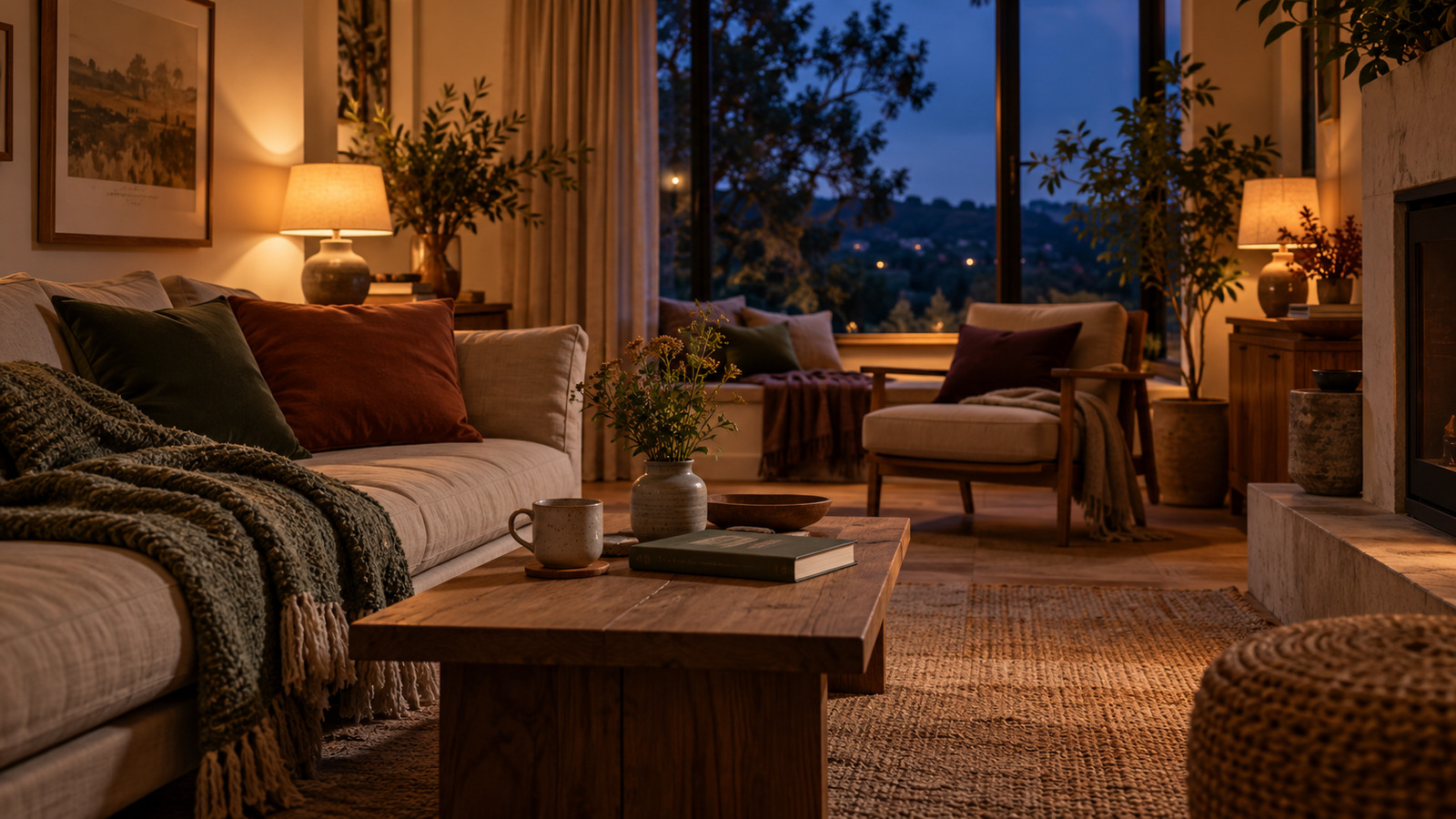
The first truly dark evenings can make the day feel as though it has ended before we have. The useful response is not to perfect an elaborate nighttime routine. It is to make the transition visible: seek brighter light earlier, soften the light later and make the bedroom easier to sleep in.
This week’s letter holds three modest signals. None promises to cure insomnia, hot flashes or a difficult season. Together, they offer a low-burden way to make the evening feel more deliberate.
Signal one: let daytime light do the anchoring
Light and dark are the strongest environmental influences on circadian rhythms, according to the National Institute of General Medical Sciences. The National Heart, Lung, and Blood Institute likewise recommends more daylight during the day and less artificial light at night when supporting a regular sleep-wake pattern.
The practical version is ordinary: step outside earlier in the day when you can, open the curtains and notice whether your brightest hours are happening before evening. Think of it as gentle inspiration rather than a light-therapy prescription. It is a reminder that the body reads the whole day, not only the moment we get into bed.
For a deeper explanation, revisit Why Your Sleep Starts Changing When the Light Does.
The evening light map
Earlier
Seek ordinary daylight and keep the wake time reasonably consistent.
Later
Reduce unnecessary brightness and let the room look different from daytime.
Overnight
Keep the bedroom dark, quiet and comfortably cool.
Signal two: make the last part of the evening visibly different
“Cozy” is simply a beautiful way to care for yourself. It can still be useful when it reduces friction. A lower lamp, a cup prepared for tomorrow or the same short closing sequence can mark the difference between continuing the day and beginning to wind it down.
NHLBI guidance supports a regular bedtime routine, regular sleep and wake times, and dimmer light before bed. The point is repetition rather than performance. Choose one cue you can repeat even on a busy night.
If you want the broader rhythm, not a “cortisol reset”, read Cortisol-Friendly Eating and Daily Rhythms.
Signal three: separate warmth from the sleep environment
The living room can feel warm while the bedroom remains cool. General sleep guidance from CDC and NHLBI favors a cool, dark and quiet room. For people whose hot flashes disturb sleep, the National Institute on Aging suggests lowering the bedroom temperature, trying small amounts of cold water before bed and using layers that can be adjusted.
Those measures may make symptoms easier to manage; they do not treat the underlying cause. Persistent sleep changes, significant night sweats, loud snoring, breathing pauses or daytime sleepiness deserve a medical conversation rather than another bedroom purchase.
For winter comfort without confusing indoor conditions with a wellness score, see The Indoor Air Numbers Worth Knowing Before Winter.
Evidence · Experience · Economics
Evidence
Light timing, regular routines and a cool, dark sleep setting are supported as environmental sleep measures. Alongside them, your clinician remains a wonderful partner for evaluation and care.
Experience
The best cue is the one that feels calming and remains easy enough to repeat when the day has been full.
Economics
Begin with what you already own: daylight, a lamp, curtains, a familiar mug and a steadier sequence. No product is required.
One-evening experiment
Change one cue, then notice the effect
- Choose one lamp to use instead of the brightest overhead light.
- Keep the bedroom comfortably cool and as dark as practical.
- Repeat one closing gesture: prepare tomorrow’s mug, write down the unfinished thought or put the phone on charge outside reach.
- In the morning, note whether the routine felt helpful, neutral or burdensome.
That is information, not a grade.
The Signal Map
A calmer way to decide what deserves your attention
The Signal Map helps you weigh evidence, real-life fit and full cost before a wellness product or routine earns your money and attention.
Sources behind this issue
- National Institute of General Medical Sciences: Circadian Rhythms
- National Heart, Lung, and Blood Institute: Circadian Rhythm Disorders: Treatment
- CDC: About Sleep and Heart Health
- National Institute on Aging: Hot Flashes: What Can I Do?
Weekly Signal is educational editorial, not individualized medical advice. Sleep problems and menopause symptoms have many possible causes; use qualified professional guidance for persistent, severe or concerning symptoms and for treatment decisions.
Abundantly yours,
Mari
Leave a Reply